Japan
May 10 to 22, 2027
An Ember and Earth journey through Tokyo and Kyoto, with three days of relaxed battery assisted biking across the Seto Inland Sea.
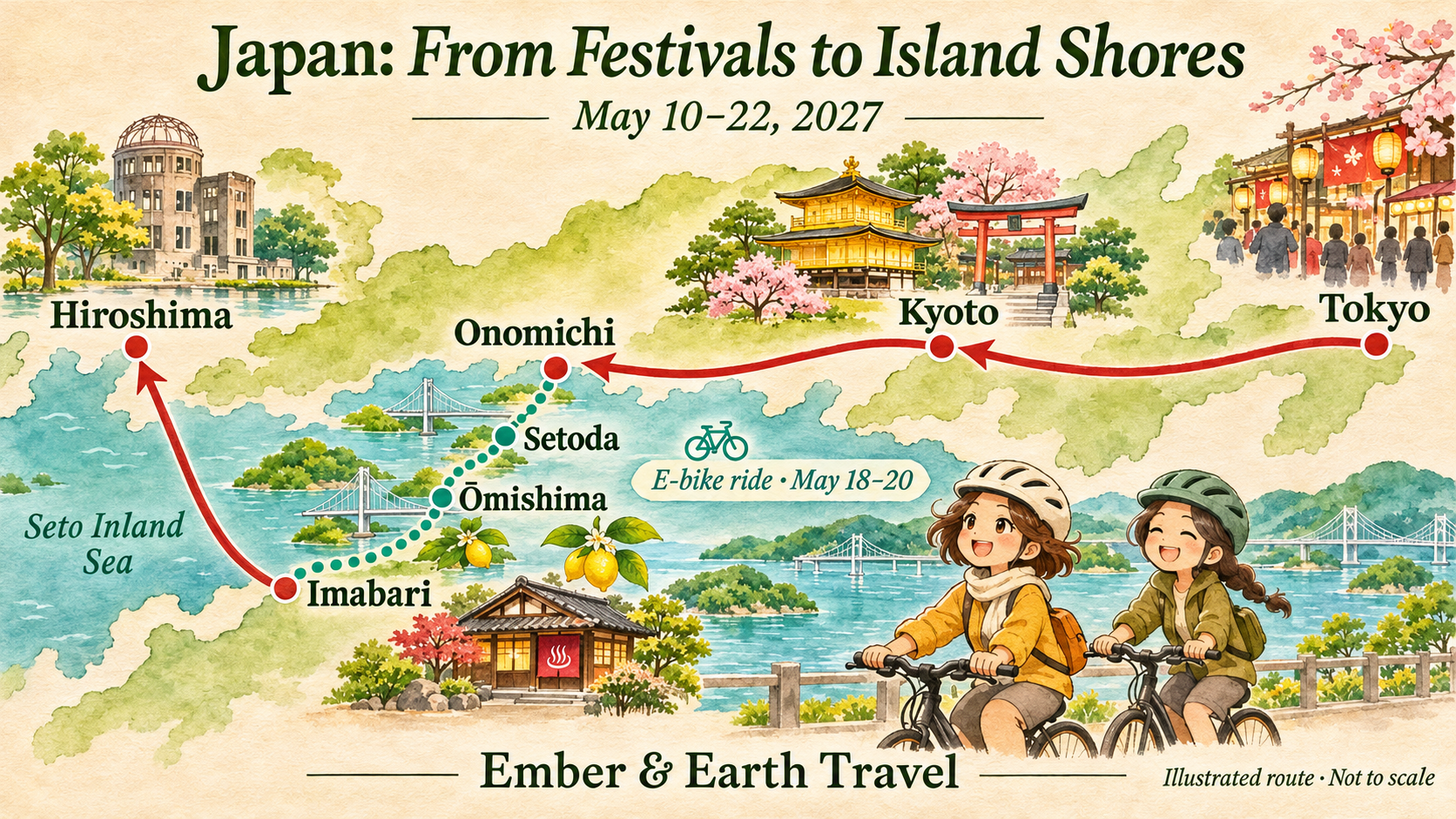
Trip at a Glance
May 10–22, 2027 · 13 days, 12 nights
Tokyo → Kyoto → Seto Inland Sea → Hiroshima
Just six women
Three days of island e-biking
All 12 dinners included
$9,495 CAD per person · Shared accommodation
Free option to have a private room for three nights in Kyoto.
We start in Tokyo, where we’ll explore shrine grounds, wander lively neighbourhoods and spend an evening eating our way through Shinjuku. Then we’ll take the train to Kyoto, where we’ve timed our visit for the Aoi Matsuri, a spring festival with a procession in historic court dress. I lived in Japan for four years, and I’ve planned this trip around what I loved about living there. Some of my favourite memories started with a turn down a side street or a meal I hadn’t planned, so I’ve left room for those moments, too.
From Kyoto, we’ll head to the Seto Inland Sea for three days of relaxed, easy Battery-power biking along the Shimanami Kaido. We’ll cross bridges from island to island, ride past citrus groves and fishing harbours, and stop when a view or a bakery catches our eye. The Battery-powered bikes will give us a boost on the climbs up to the bridges. The bakery stops are entirely our own doing.
With just six women travelling together, we can sit around one dinner table, linger over a good meal and take our time in the places we came to see. That’s what I’m most looking forward to sharing with you, from the bustle of festival day in Kyoto to a quiet morning by the water.
What’s included
13 days, 12 nights · May 10–22, 2027 · Just 6 women
32 meals · 12 breakfasts, 8 lunches and 12 dinners, including a traditional dinner with sumo, a Shinjuku food tour and a seasonal ryokan dinner
All 12 nights of accommodation · City hotels and a traditional ryokan stay
Option for a private room in Kyoto
2 full days with private local guides · One in Tokyo and one in Kyoto, plus a privately guided visit to the Hiroshima Peace Memorial
2 spring festivals · Tokyo’s Asakusa festival and Kyoto’s Aoi Matsuri
3 days of island cycling · Shimanami Kaido, battery powered-bike and helmet rentals included
Experiences and admissions · Tea ceremony, teamLab Borderless and scheduled shrine, temple and memorial visits
Transportation · Narita to Tokyo Train, 3-day Tokyo transit pass, Subways, Trains including the Shinkansen, a ferry crossing and luggage transfers where convenient.
Hosted by Michelle throughout · I lived in Japan for four years and will be with you from start to finish.
$9495 CAD for Share
What’s not included
Flights and onward travel from Hiroshima.
Required travel insurance.
3 Lunches to allow some more flexibility.
Personal extras such as souvenirs, snacks, alcoholic drinks and optional menu upgrades.
Flying from Calgary? The nonstop flight to Tokyo Narita takes about 9 hours, and when I last checked the round-trip fare at $1,750 CAD. On May 22, the early Hiroshima–Narita flight was under $150 CAD on a local carrier and gets you to the same airport for the nonstop flight back to Calgary later that day. Reach out if you’d like the flight details, train options or suggestions if you want to continue exploring Japan.
Japan: From Festivals to Island Shores
OVERVIEW
(Daily Itinerary Below)
May 10–22, 2027 · 13 days · Tokyo to Hiroshima
An Ember & Earth journey for just six women
After living in some of my favourite memories are of ordinary days. Figuring out what to order from a handwritten menu. Finding a neighbourhood bakery worth going back to the next morning. Turning down a side street and finding a shrine I’d walked past a dozen times without noticing. I wanted to build a trip that gives you that feeling, alongside the big experiences you’ve waited years to see.
We’ll start in Tokyo, take the bullet train to Kyoto, spend three days e-biking across the islands of the Seto Inland Sea and finish in Hiroshima. Along the way, we’ll experience two spring festivals, spend a full day with a private local guide in each of Tokyo and Kyoto, and sit down to a seasonal dinner at a traditional Japanese inn. And because I think food is half the fun of going to Japan, I’ve included 35 meals, including all 12 dinners.
Tokyo and the streets of Asakusa
Tokyo is a city I’d happily explore one neighbourhood at a time. We’ll spend a full day with a private local guide who can help us make sense of what we’re seeing, from the etiquette at a shrine to the way the city changes from one neighbourhood to the next. At teamLab Borderless, we’ll take a different kind of walk. The digital artworks move between rooms, so following a trail of light around a corner can take you into an entirely different scene.
In Asakusa, we’ll catch part of Sanja Matsuri, a festival rooted in the founding legend of Sensō-ji Temple. The story begins with two fishermen who pulled a statue of Kannon from the river and a third man who enshrined it. The festival honours all three. During the celebrations, neighbourhood teams carry portable shrines called mikoshi through the streets. You can hear the bearers before you see them, and the energy comes from the people of Asakusa turning out for their own neighbourhood festival.
We’ll also spend an evening eating our way through Shinjuku and enjoy a sumo experience with a traditional dinner. I’ve planned both because they give us two very different evenings in the same city. Bring an appetite. I’ve made that part easy.
Kyoto and the Aoi Matsuri procession
We’ll take the Shinkansen bullet train to Kyoto, which became Japan’s imperial capital in 794. A full day with our own local guide gives us time to explore its shrines and temples, ask questions and hear the stories behind what we’re seeing. We’ll also take part in a Japanese tea ceremony, where even the way a bowl is offered and received invites you to slow down and pay attention.
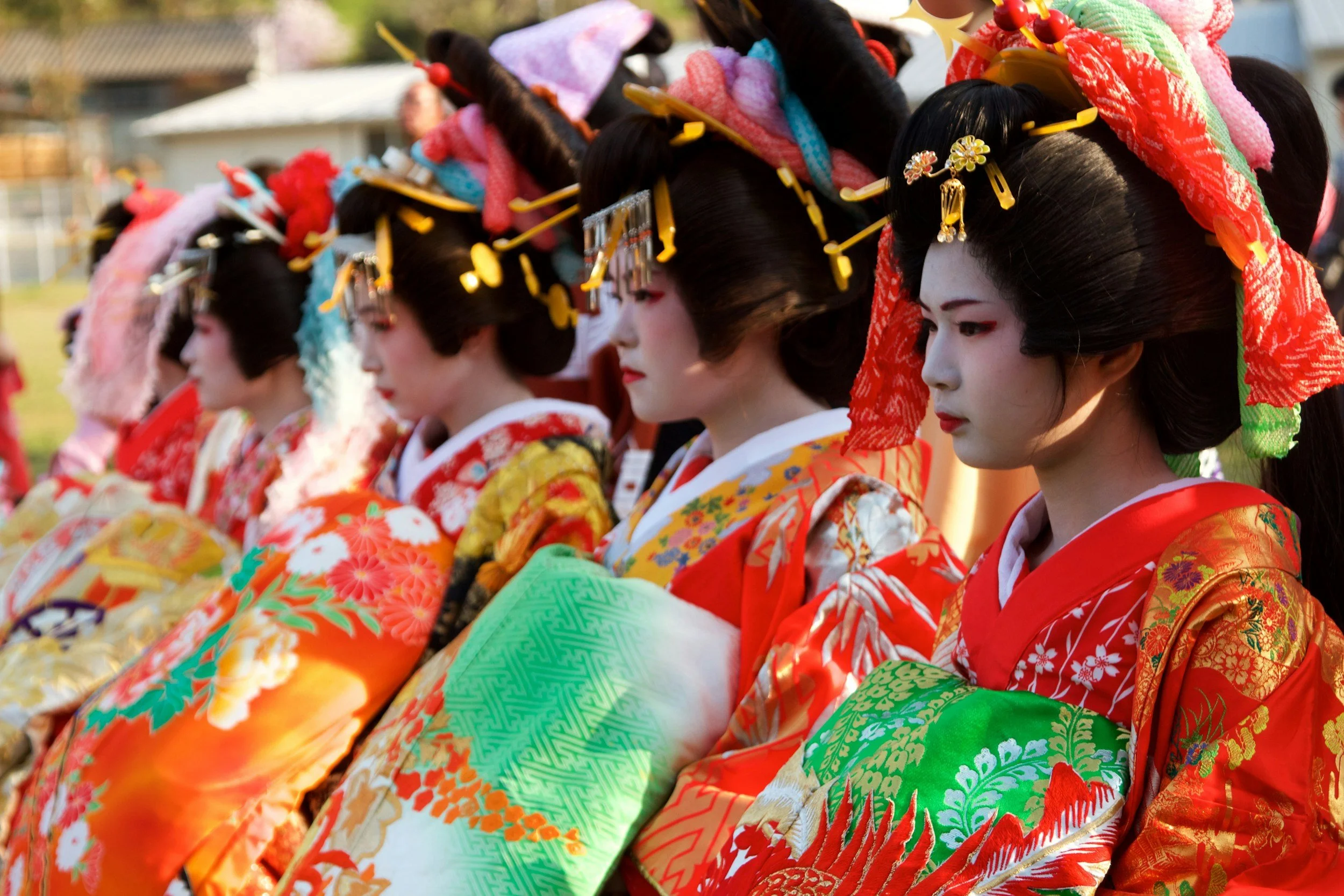
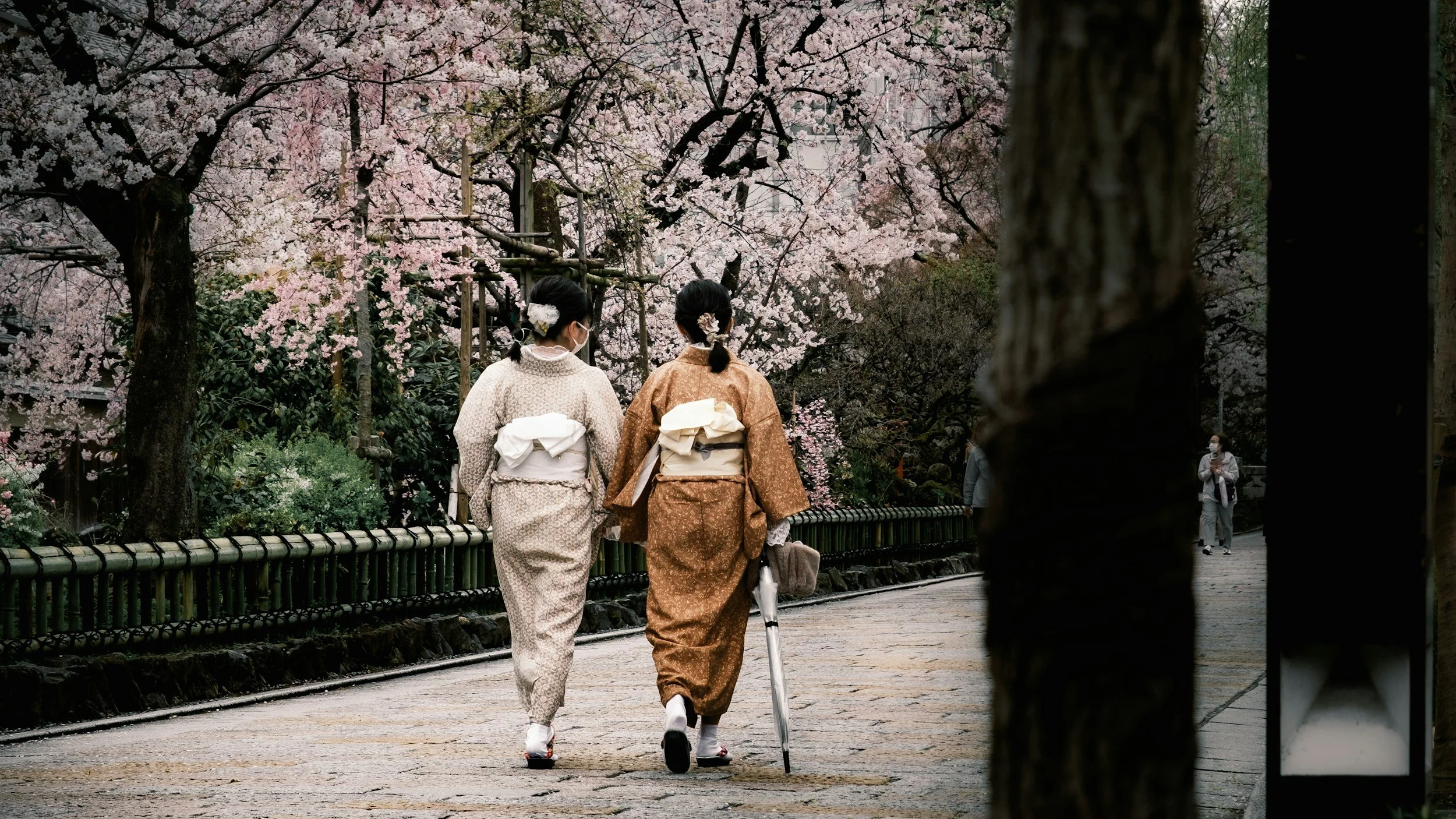
Our May dates are timed for Aoi Matsuri, a festival whose origins date back to the sixth century. Its traditional procession sets out from the Kyoto Imperial Palace and makes its way to the Shimogamo and Kamigamo shrines. Expect layered court robes, horses and ox-drawn carriages, with a young woman known as the Saiō-dai at the heart of the procession. After the noise and momentum of Asakusa, I’m looking forward to seeing how differently Kyoto marks its spring festival.
Three days of e-biking on the Seto Inland Sea
The Shimanami Kaido connects Onomichi and Imabari by way of islands and bridges. We’ll spend three days riding through this part of Japan, with time for the places between the bridges. Think citrus groves, fishing boats tied up in working harbours and stretches of road where you can look across the water to the next island. We’ll take a ferry along the way and stop for photos, lunch or something fresh from a bakery when the opportunity presents itself. With six guests, a bakery stop is a pretty easy group decision.
What to expect on the bike
We’ll ride at a relaxed sightseeing pace, covering about 40 km a day for three days, or roughly 120 km in total. Electric-assist bikes and helmets are included. This is safe and easy biking for most abilities. Expect a mix of coastal riding, local roads and climbs up to the bridges, where you’ll be glad for the extra boost. We’ll build in stops so there’s time to look around, stretch your legs and enjoy the islands along the way.
Where we’ll stay
I’ve chosen our hotels for what they add to the trip, from city stays in neighbourhoods worth exploring on foot to smaller properties along the Seto Inland Sea. In Onomichi, we’ll stay at Hotel Cycle, a waterfront hotel designed with cyclists in mind. In Setoda, we’ll check into yubune, a boutique inn with its own Japanese bathhouse. One evening on Ōmishima, we’ll stay at Ryōri Ryokan Fujimien, a traditional Japanese inn where the seasonal dinner is part of the experience. After a day on the bikes, that’s the meal I’m especially looking forward
Hiroshima and the Peace Memorial
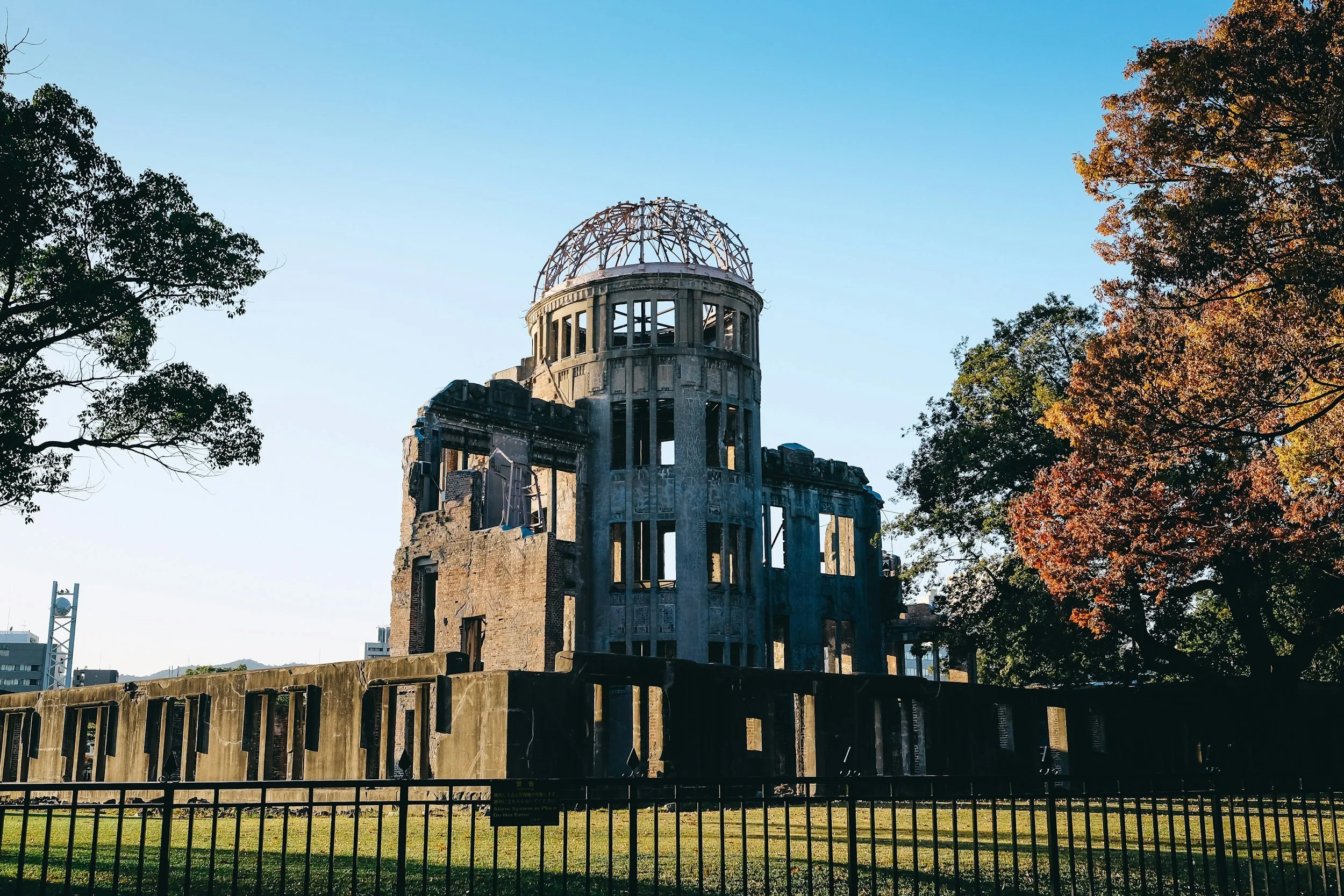
We’ll finish in Hiroshima with a privately guided visit to Peace Memorial Park. Before the atomic bombing on August 6, 1945, the area was a busy shopping and entertainment district. Today, the park and the preserved ruins of the Atomic Bomb Dome give us a place to remember the people who lived and worked here. Our guide will help put that history in context, and we’ll give the visit the time it deserves.
Why this is my ultimate Japan trip
If I had 13 days to show a friend why I loved living in Japan, this is the trip I’d take her on. I’d want her to hear the festival coming down the street in Asakusa, see Kyoto with someone who can bring its history to life, ride high above the Seto Inland Sea and spend time in Hiroshima. I’d also want enough evenings around one table to ask everyone what surprised them that day. With just six of us, we can do exactly that.
Japan, Day by Day.
First impessions of Tokyo
-
Japan
Japan makes me want to pay attention. To the shopkeeper who wraps a single sweet as carefully as a gift. To the people who duck into a neighbourhood shrine on their way to work. To the cheers that go up when a festival procession turns the corner. Some of the things you’ll remember most might happen while we’re on our way to see something else.
We’ll make time for both. In Tokyo and Kyoto, our local guides will help us notice the details we might walk past on our own. We’ll see how a neighbourhood keeps its traditions alive in Asakusa and how Kyoto remembers its imperial past in a procession of silk robes and ox-drawn carriages. On the islands, we’ll ride past working harbours and stop where something catches our eye. In Hiroshima, we’ll hear the history of the people who lived where Peace Memorial Park stands today. And somewhere along the way, I suspect at least one of us will get very particular about which convenience-store rice ball is the best.
-
Day 1 Welcome to Japan
From Narita Airport, we’ll take the train together to our first hotel in Asakusa. Your train fare is included.
Once we’ve settle in,there’s time for a first wander. Shops selling rice crackers and good-luck charms line the approach to Sensō-ji, Tokyo’s oldest Buddhist temple. Asakusa was also one of the great entertainment districts of Edo, as Tokyo was once known. It’s a good neighbourhood for a first wander. Follow the smell of incense, see what’s in the bakery window, or pick up your first rice ball and find out what you ordered. We’ll come together for a welcome dinner nearby.
Meals: Welcome dinner
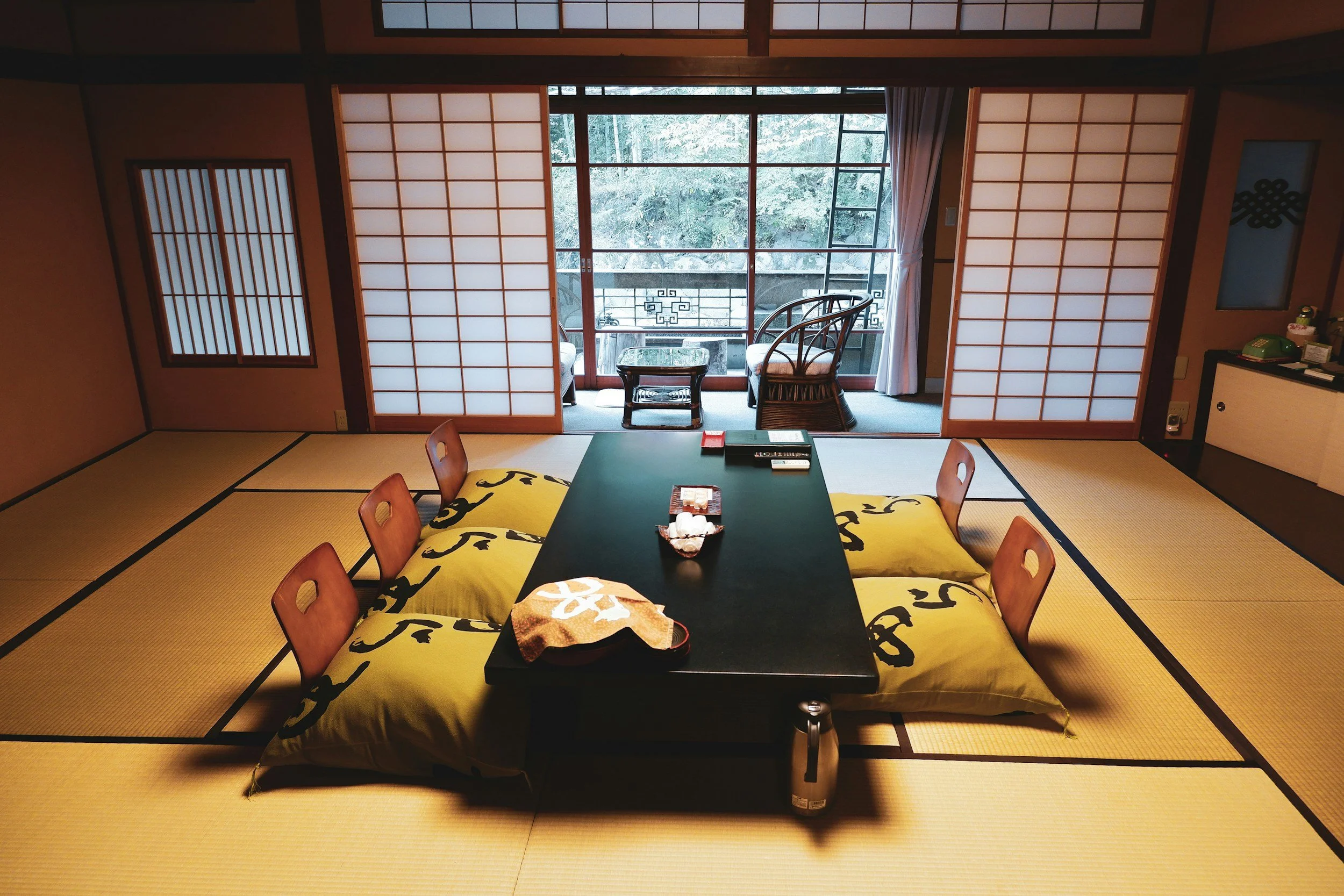
Example of Hotel while in Tokyo: Hotel Gracery Asakusa
-
Day 2 · Meiji Shrine, Harajuku and Shibuya with our private local guide
We’ll walk beneath the tall wooden torii gate at Meiji Shrine and follow a path through a forest planted with trees donated from across Japan. Our private guide will show us how people rinse their hands before approaching the sanctuary and explain the ritual of two bows, two claps and a final bow. You’re welcome to try it yourself or simply watch how people pay their respects.
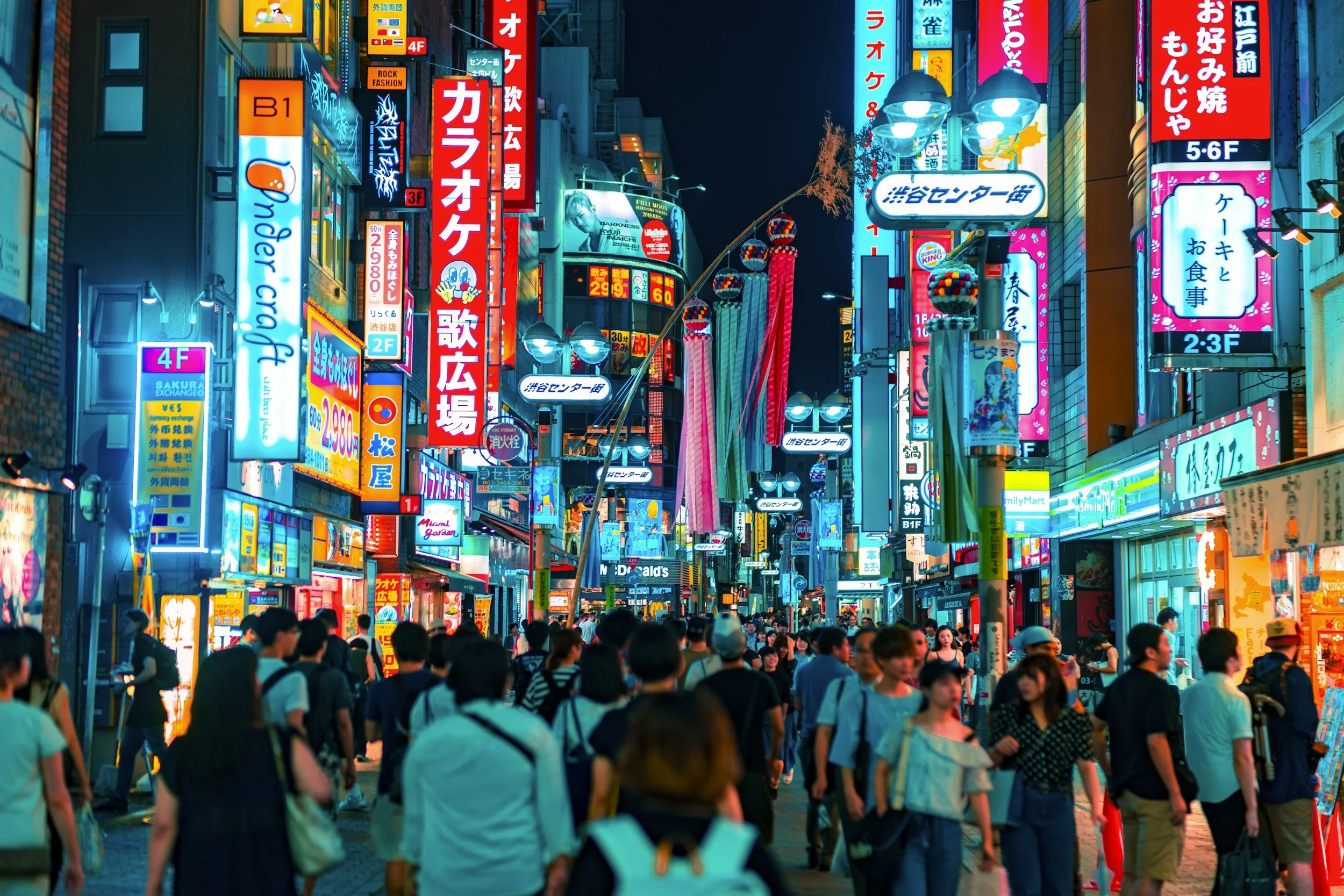
From the shrine, we’ll head into Harajuku, where street fashion and colourful shopfronts give us a different view of Tokyo. In Shibuya, we’ll step into the famous Scramble Crossing ourselves. It’s fun to watch from the curb, but being in the middle of it when the lights change is a whole other experience.
One of the things I’m most looking forward to is having a full day with a guide just for our group. Ask what it’s like to grow up in Tokyo, what people eat on a busy workday, how families spend their weekends, or why everyone goes so quiet on the train. And if you spot something you can’t make sense of, ask about that too. Those are often the questions that lead to the best conversations. come to Harajuku to find.
Meals: Breakfast, Lunch and Dinner
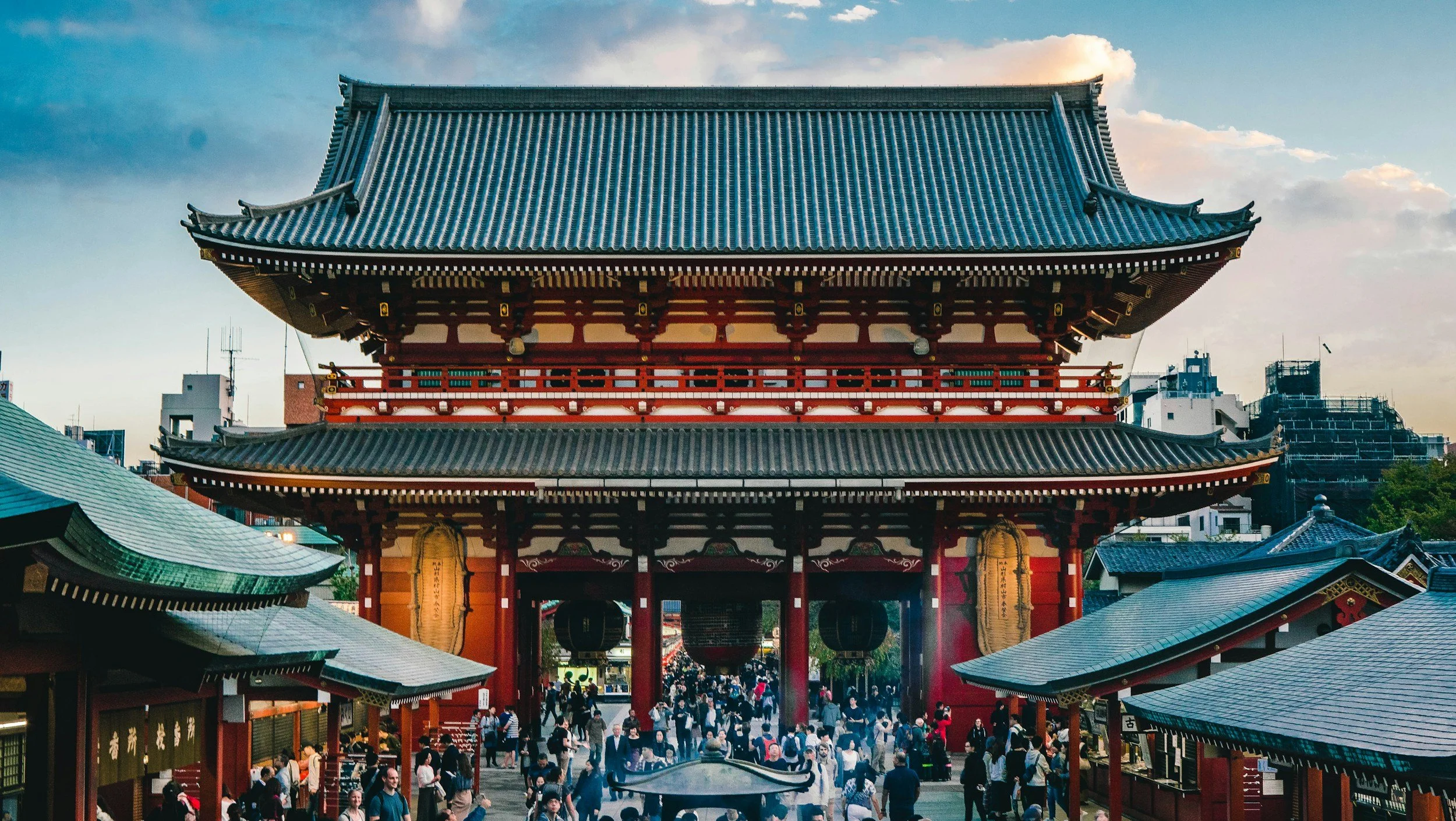
Tokyo Neighborhoods & Festival Traditions
-
Day 3 · teamLab & a Taste of Shinjuku
We’ll step inside teamLab Borderless, where digital artworks move from room to room. Follow a trail of light or a flock of projected birds and see where it takes you. Part of the fun is that each of us might come out talking about something different.
We’ll explore Shinjuku through its food, from the neon-lit main streets to the narrow lanes that are easy to miss. One of the best known is Omoide Yokocho, or Memory Lane, which grew out of a market after the Second World War. Some of its restaurants have just five or six stools, so you can sit close enough to watch the cook turn skewers over the grill. Our food tour gives us a chance to try a variety of dishes and hear what locals come here for, from smoky yakitori skewers to the small plates you’d share at an izakaya, a Japanese pub. Come hungry. A few bites here and a few bites there add up faster than you’d think.
Our teamLab Borderless visit will be confirmed once tickets are released. The timing may shift based on availability.
Meals: Breakfast, Lunch and Food Tour
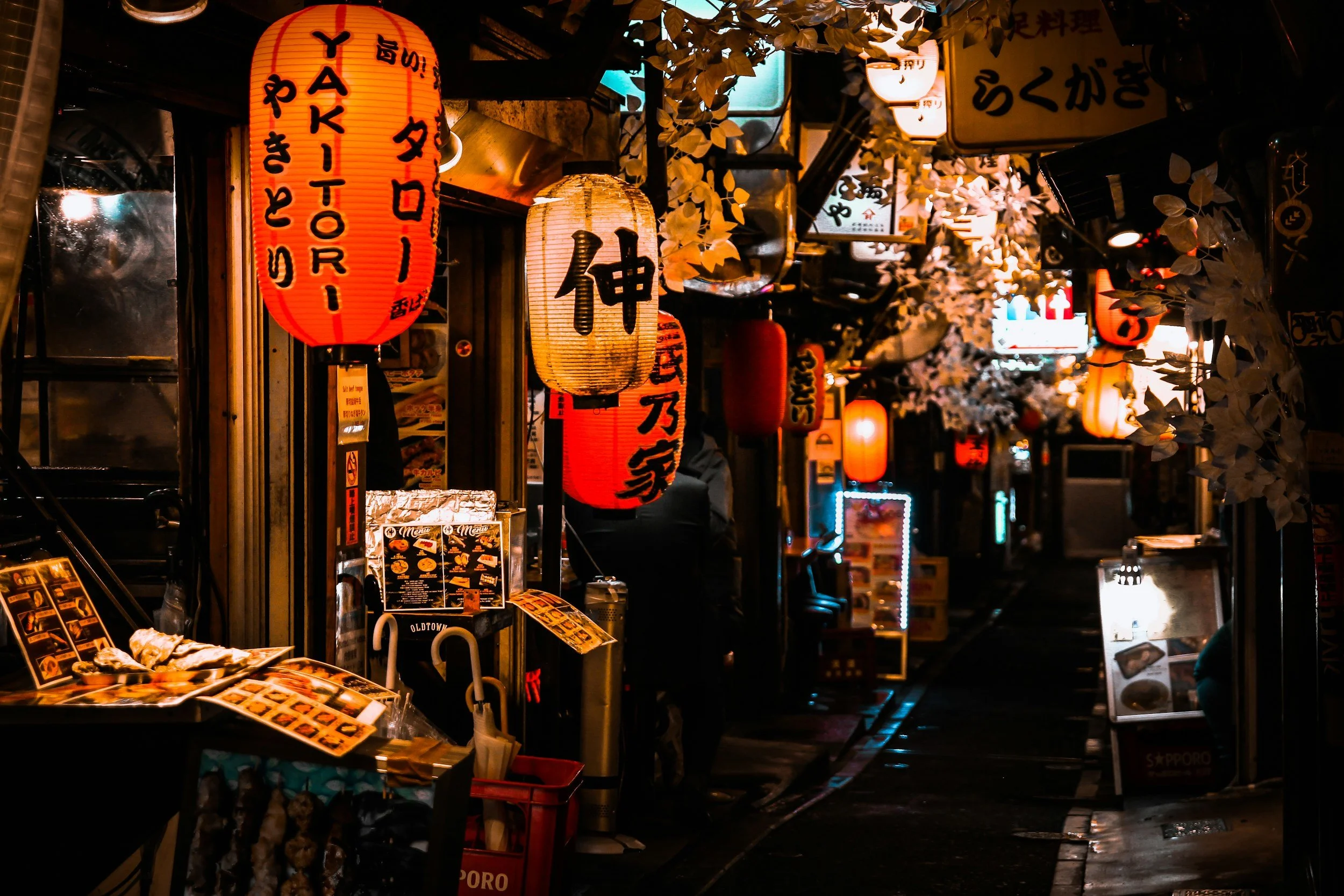
-
Day 4 · Tokyo neighbourhoods, sumo and a geisha appearance
Today is a chance to follow your own curiosity. Tokyo changes so much from one neighbourhood to the next that you can pick the side of the city you’d most like to see.
Akihabara is Tokyo’s Electric Town. Browse electronics megastores, peek into tiny shops selling specialist components, or see what’s on the shelves in the anime and manga stores. It’s a good place to discover things you didn’t know existed, let alone knew you wanted.
Ginza takes window-shopping to another level. The luxury flagships can be as striking as anything inside them, and the grand Japanese department stores are worth walking through for the displays alone. I’d make a point of finding the food hall, where even a box of sweets can look like a work of art.
Yanaka is where I’d go for a quieter look at Tokyo. Wander the narrow lanes, browse the little shops along the Yanaka Ginza shopping street, and pick up a snack somewhere that catches your eye. It’s the kind of neighbourhood where you can happily spend time without much of a plan.
If you’re in the mood for a museum, the Tokyo National Museum in Ueno Park pairs nicely with a wander through Yanaka. Its Japanese galleries feature everything from Buddhist art to samurai armour.
Pick whichever neighbourhood sounds most like you. You’re welcome to explore with me, and if you’re ready to head out on your own, I’ll help you work out which train to take and where to start.
We’ll regroup for our sumo experience, with a traditional sumo-style meal and a special appearance by a geisha. We’ll learn about some of the rituals that go with the sport, including why wrestlers scatter salt in the ring. Then we can compare notes on what everyone found in their corner of Tokyo.
Meals: Breakfast and Dinner
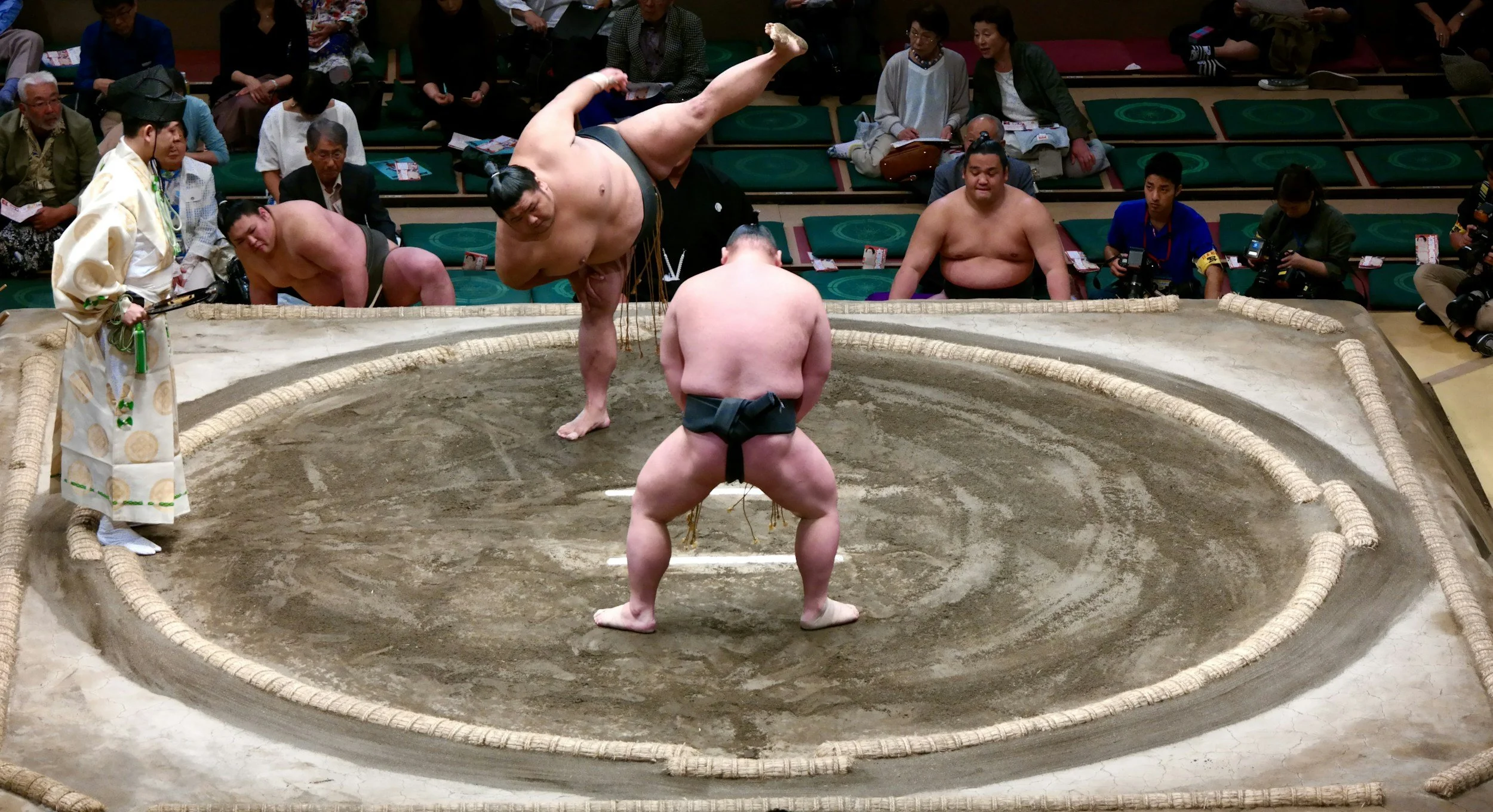
-
Day 5 · Asakusa’s Sanja Matsuri and the bullet train to Kyoto
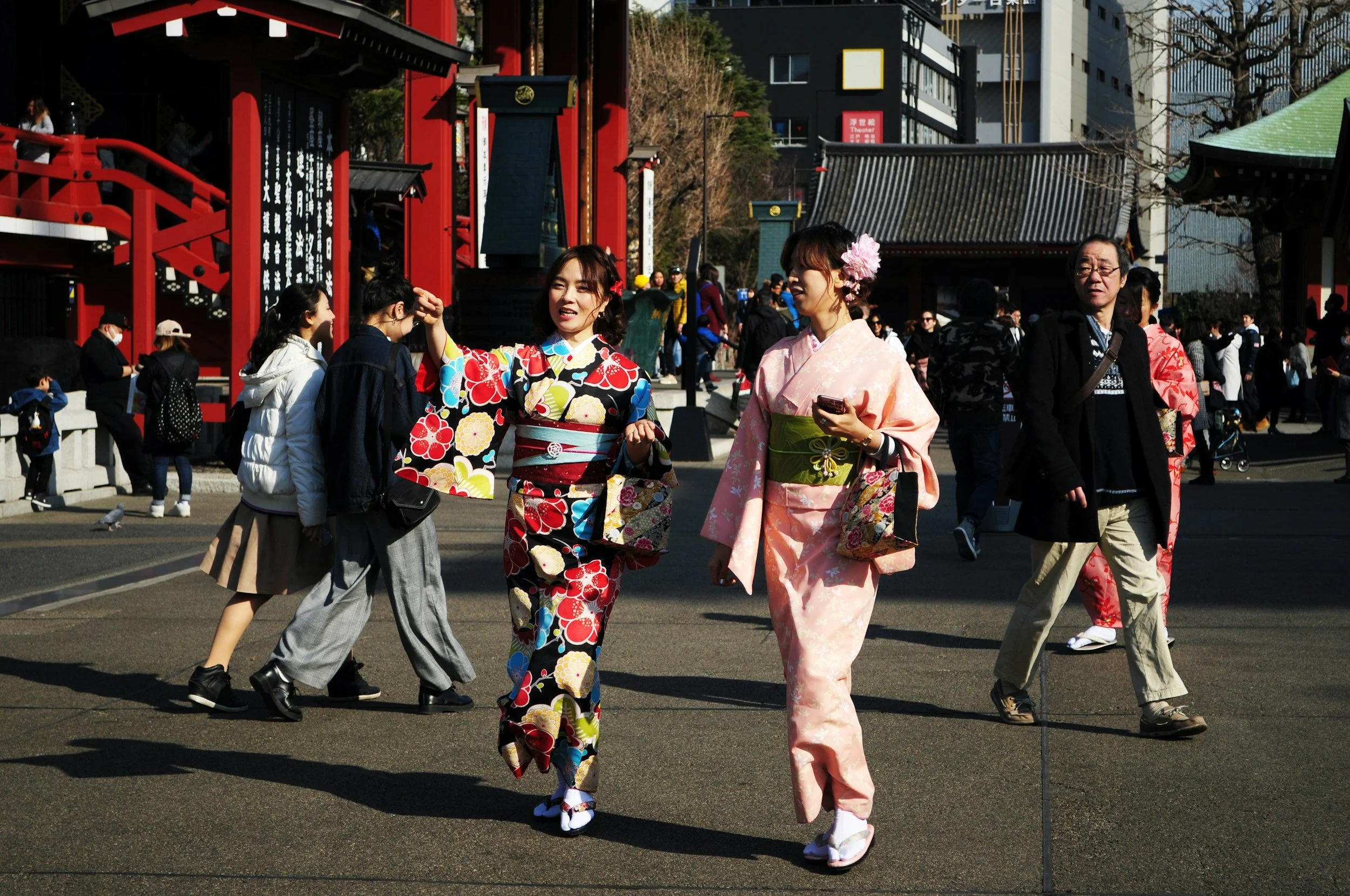
We’ll join the crowds for the opening procession of Sanja Matsuri. The festival honours three men in the founding legend of Sensō-ji, including two fishermen said to have pulled a statue of Kannon from the river. What I like about seeing it in Asakusa is that it’s still very much a neighbourhood event. Musicians and dancers pass the same shops and temple gates we’ve been walking by since we arrived.
After the festival, we’ll head to Tokyo Station and take the Tōkaidō Shinkansen to Kyoto. The world’s first high-speed railway opened in 1964, just before the Tokyo Olympics. Today, trains on this route reach up to 285 km/h, and what might surprise you is how quiet the ride feels. If the skies are clear, keep an eye out for Mount Fuji on the right. Our Shinkansen tickets are included.
Meals: Breakfast and Dinner
Example of Hotel: Shizutetsu Hotel Prezio Kyoto Karasumaoike while in Kyoto
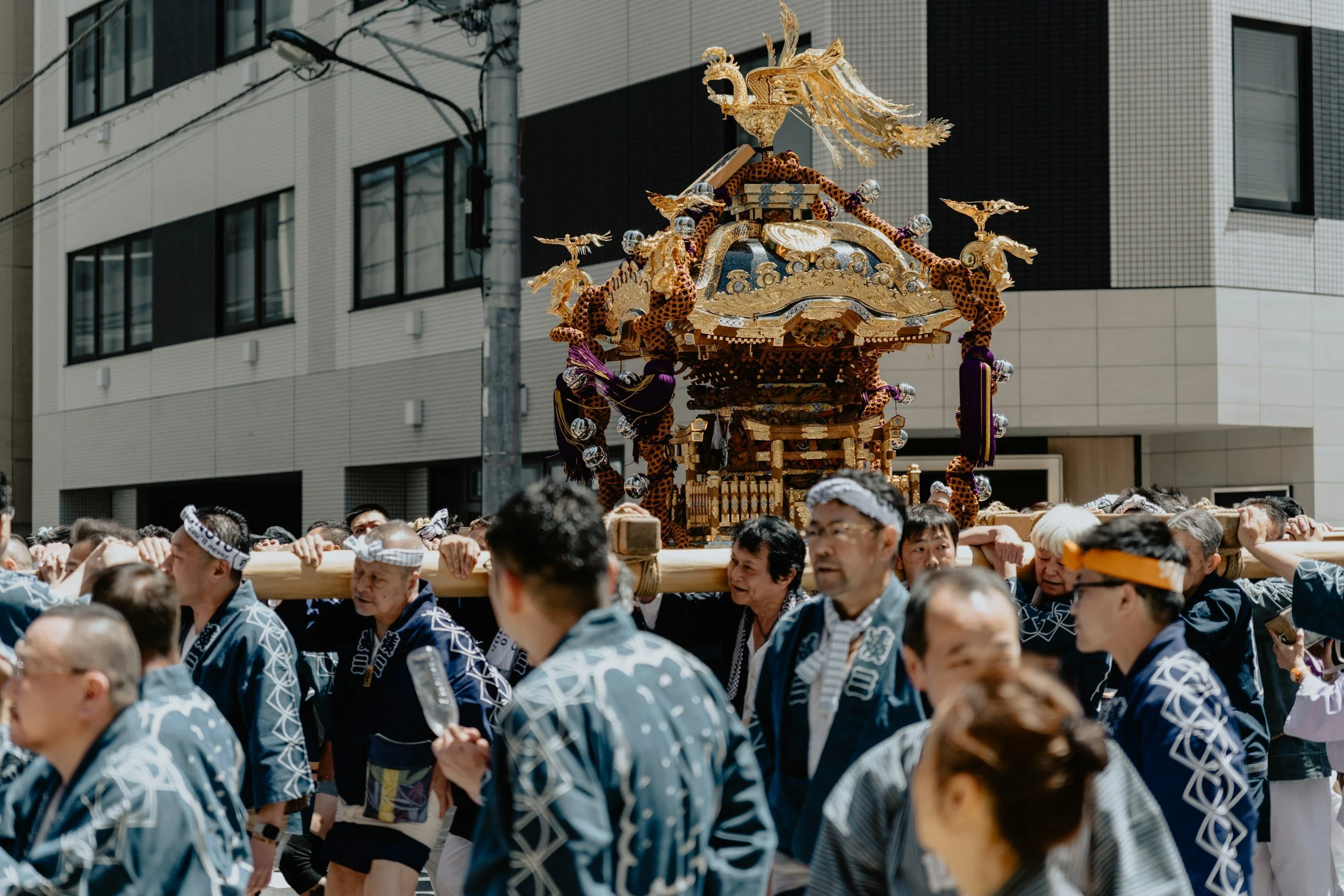
Kyoto’s Traditions & Onward to Onomichi
-
Day 6 · Kyoto’s Aoi Matsuri
This morning we’ll head toward Kyoto’s Imperial Palace to watch the Aoi Matsuri procession. Look for the layers of colourful silk and the sprigs of hollyhock that give the festival its name. The procession recreates a journey from the imperial court to two of Kyoto’s historic shrines, with participants dressed in the style of the Heian period.
In the afternoon, we’ll step inside a traditional Kyoto townhouse for a Japanese tea ceremony at Camellia Flower Teahouse. Our host will show us how matcha is prepared and served. We’ll enjoy a seasonal sweet, then have a go at whisking our own bowl of matcha.
After the tea ceremony, you’ll have time to explore Kyoto at your own pace. Browse the shops around Shijō–Kawaramachi, take a stroll along the Kamo River, or head back to the hotel for a break. We’ll meet again for dinner in Pontocho.
Breakfast, Lunch and Dinner Included.
-
Day 7 · Temples, Gion & a Yuba Lunch with our private local guide
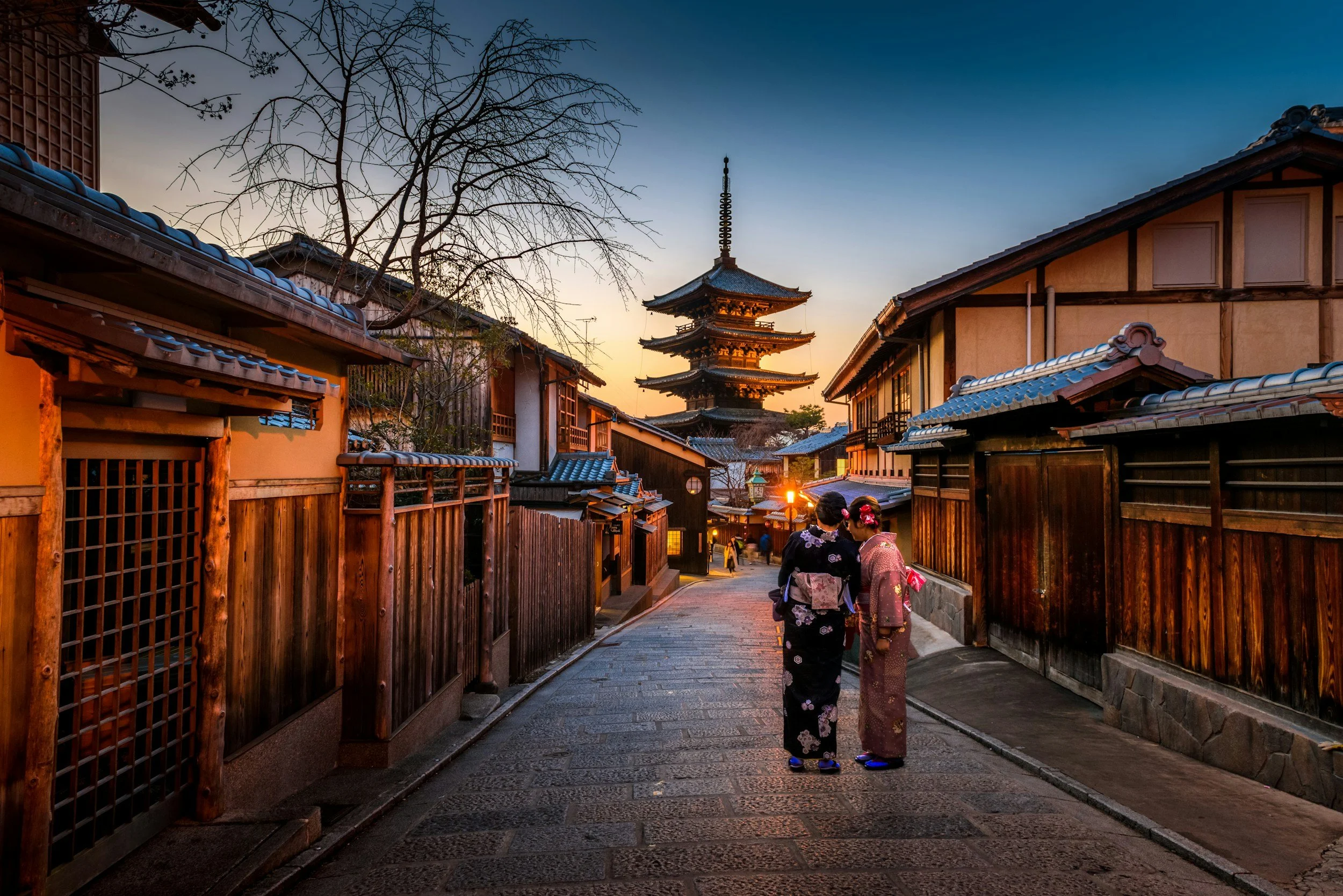
We’ll spend the day exploring Kyoto’s eastern hills with our private local guide, Toshiyo. We’ll start at Kiyomizu-dera, where the temple’s wooden terrace looks out across the city. From there, we’ll follow the stone lanes of Sannenzaka and Ninenzaka, passing little shops and sweet stalls. Look up as we approach Yasaka Pagoda. One of the best views is the one you catch between the rooftops.
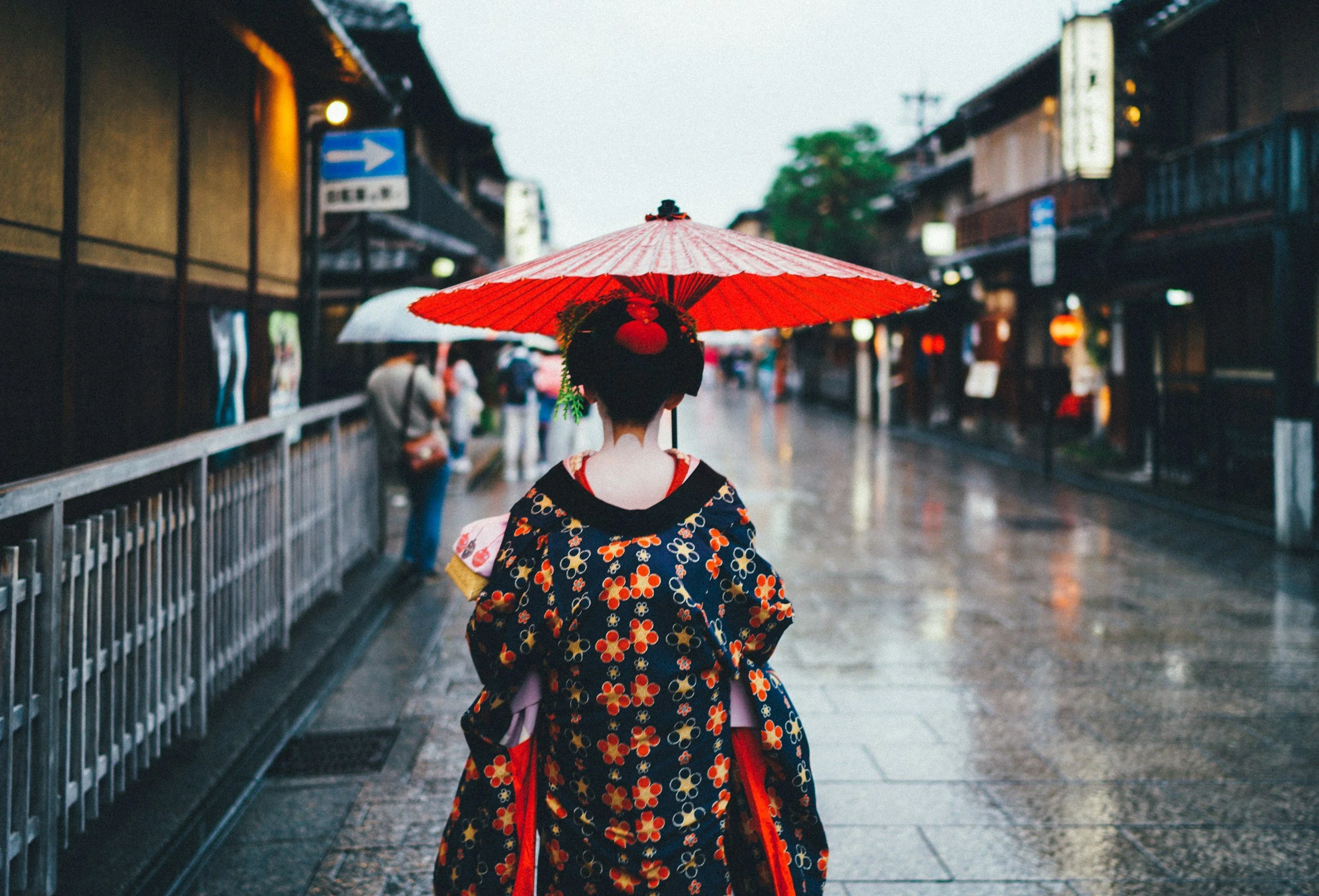
In Gion, Toshiyo will share stories about the neighbourhood’s history and introduce us to the traditions of geiko and maiko. We’ll continue to Chion-in Temple, then take the subway to the Nanzen-ji area for lunch.
We’ll sit down for a yuba course at Nanzenji Junsei, a restaurant with its own garden near the temple. As the soy milk warms at the table, we’ll lift off the delicate layers that form on top and taste the yuba freshly made. In the evening, we’ll come together again for dinner.
Breakfast, Lunch and Dinner Included.
-
Day 8 · Kyoto to Onomichi
Kyoto has given us quite a few moments to take in. We’ve watched the Aoi Matsuri procession, explored hillside temples and the old lanes of Gion, and slowed down for a bowl of matcha in a traditional teahouse. We have one more morning to see a little more of the city, however we feel like spending it.
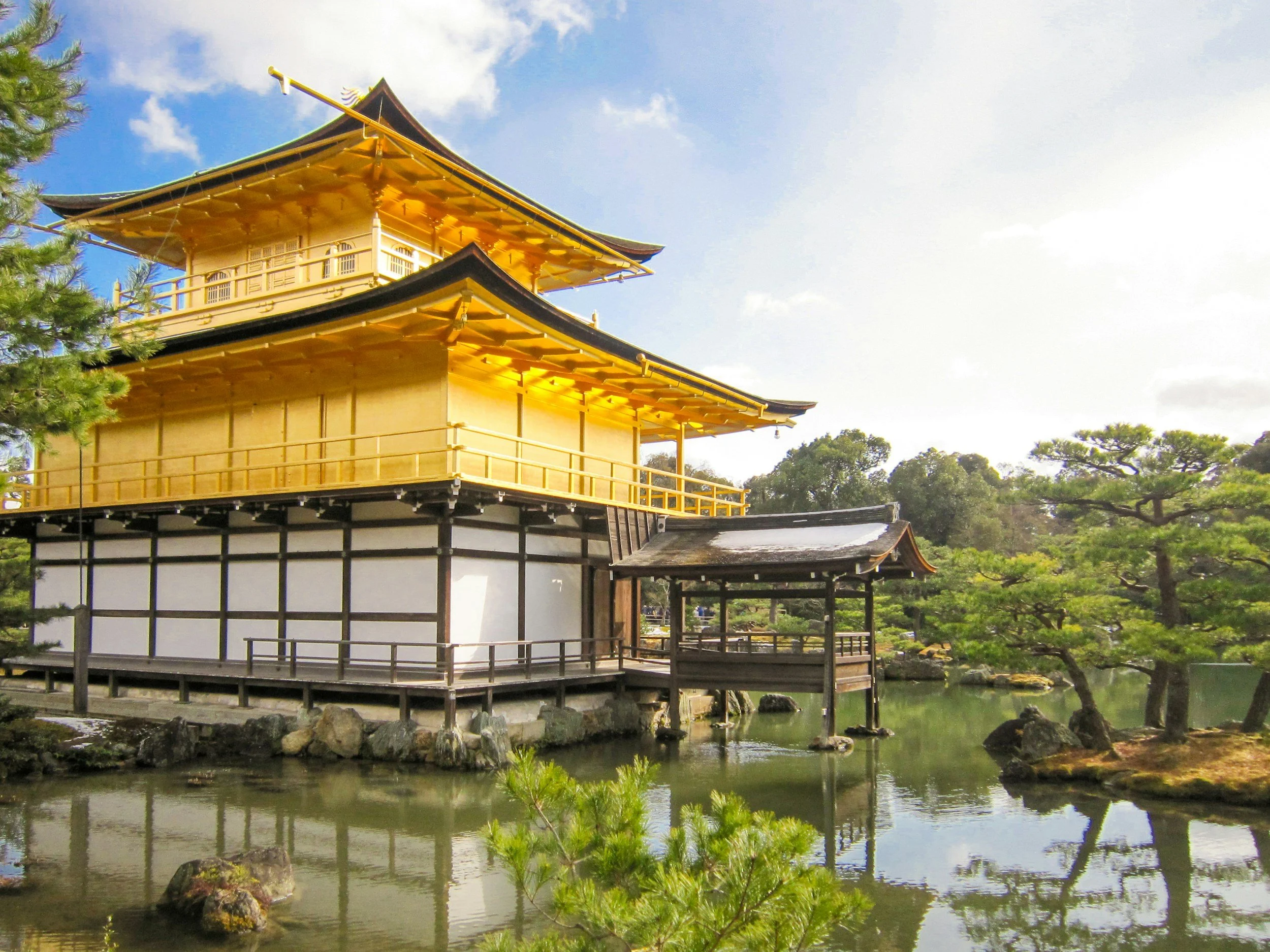
We could head out early to Fushimi Inari, where rows of vermilion torii gates wind up a wooded hillside. Or we could visit Kinkaku-ji, the Golden Pavilion, and see its reflection in the pond. If we’re up early and have time before our train, we could fit in both. If you’d prefer a slower breakfast and a little more time to yourself, that’s an option too.
Later, we’ll travel west by train to Onomichi, a historic port tucked between wooded hills and a narrow channel of the Seto Inland Sea. This is where we’ll begin our ride the next morning on the Shimanami Kaidō (a cycling route that links islands across the Seto Inland Sea).
Breakfast and Dinner Included.
Hotel example: Hotel Cycle Onomichi
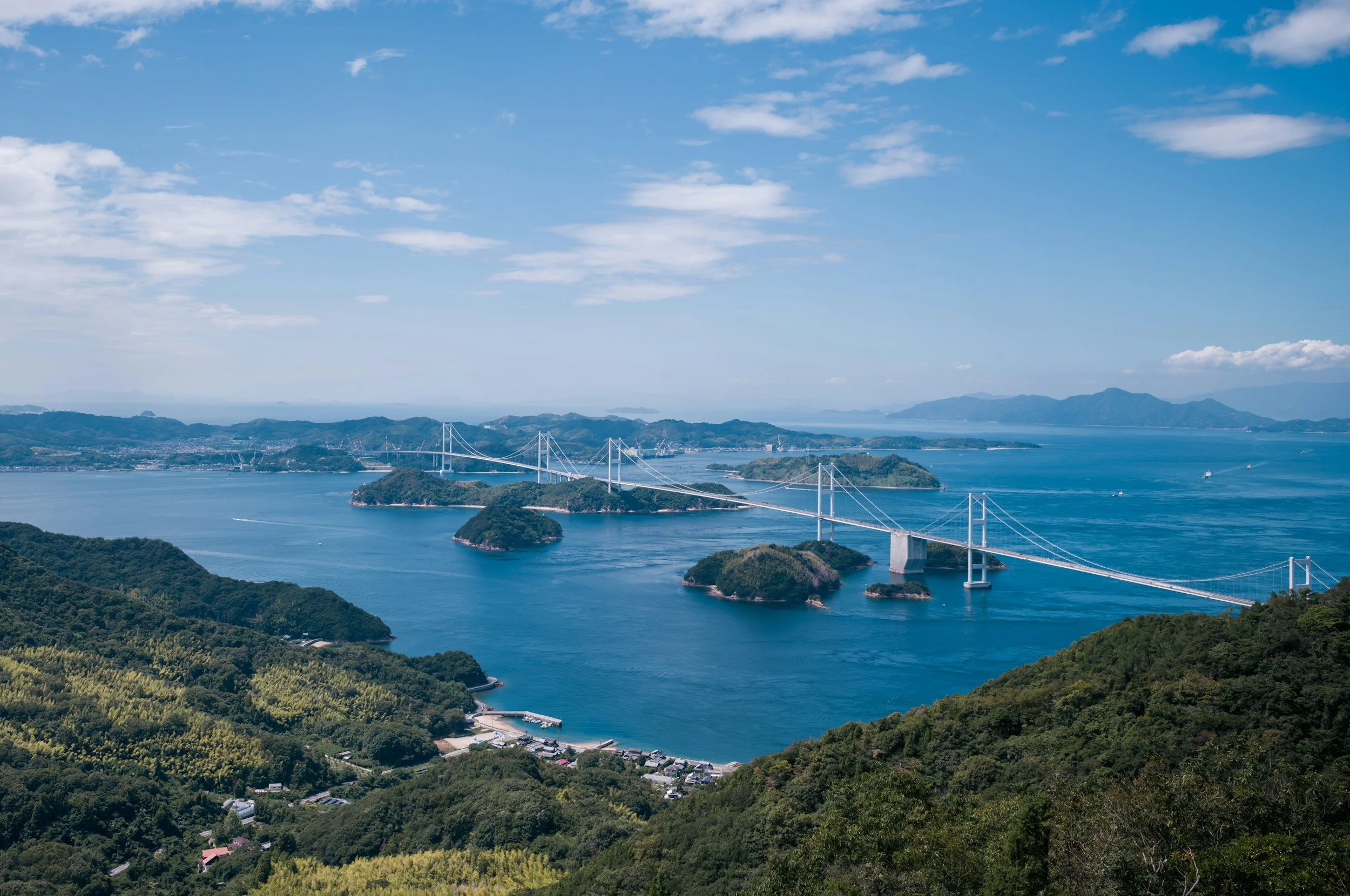
Island to Island on the Shimanami Kaidō.
-
Day 9 · From Onomichi to Setoda by Battery Powered Bike · About 40 km
We’ll start our first cycling day with a short ferry ride from Onomichi to Mukaishima, taking our bikes aboard for the crossing. Once we’re on the island, we’ll follow the Shimanami Kaidō along the shore, with fishing harbours, wooded hills and other islands across the water.
We’ll cross two bridges today, first to Innoshima and then to Ikuchijima. The electric assist will help on the climbs up to the bridges, and we’ll ride at a comfortable pace, with time to stop for photos, stretch our legs by the water or try a scoop of local citrus gelato.
We’ll finish in Setoda, a small port town on Ikuchijima, an island known for its citrus orchards. After checking in at Yubune, there’ll be time for a wander near the harbour before we meet for dinner.
If we arrive in Setoda with time to spare, we can visit Kōsan-ji Temple, explore its Thousand Buddha Cave and walk up to the white marble sculptures of the Hill of Hope for views over the islands.
Meals: Breakfast, Lunch and Dinner
Example of Hotel: Yubune Setoda
-
Day 10 · Lemon Groves, Sea Views & an Island Ryokan· About 40 km
We’ll leave Setoda and follow the coast past Sunset Beach, then take the winding path through Lemon Valley. Lemon and other citrus groves line the hillside, and as we climb toward the Tatara Bridge, the views open up across the Seto Inland Sea. We’ll take our time here, stopping for photos or a glass of local lemonade before crossing to Ōmishima.
Once we’re on Ōmishima, we’ll see how we feel. If we’re up for a little more riding, we can head inland to Ōyamazumi Shrine and spend some time among its ancient camphor trees. We can also head straight to the inn and enjoy a slower afternoon by the sea.
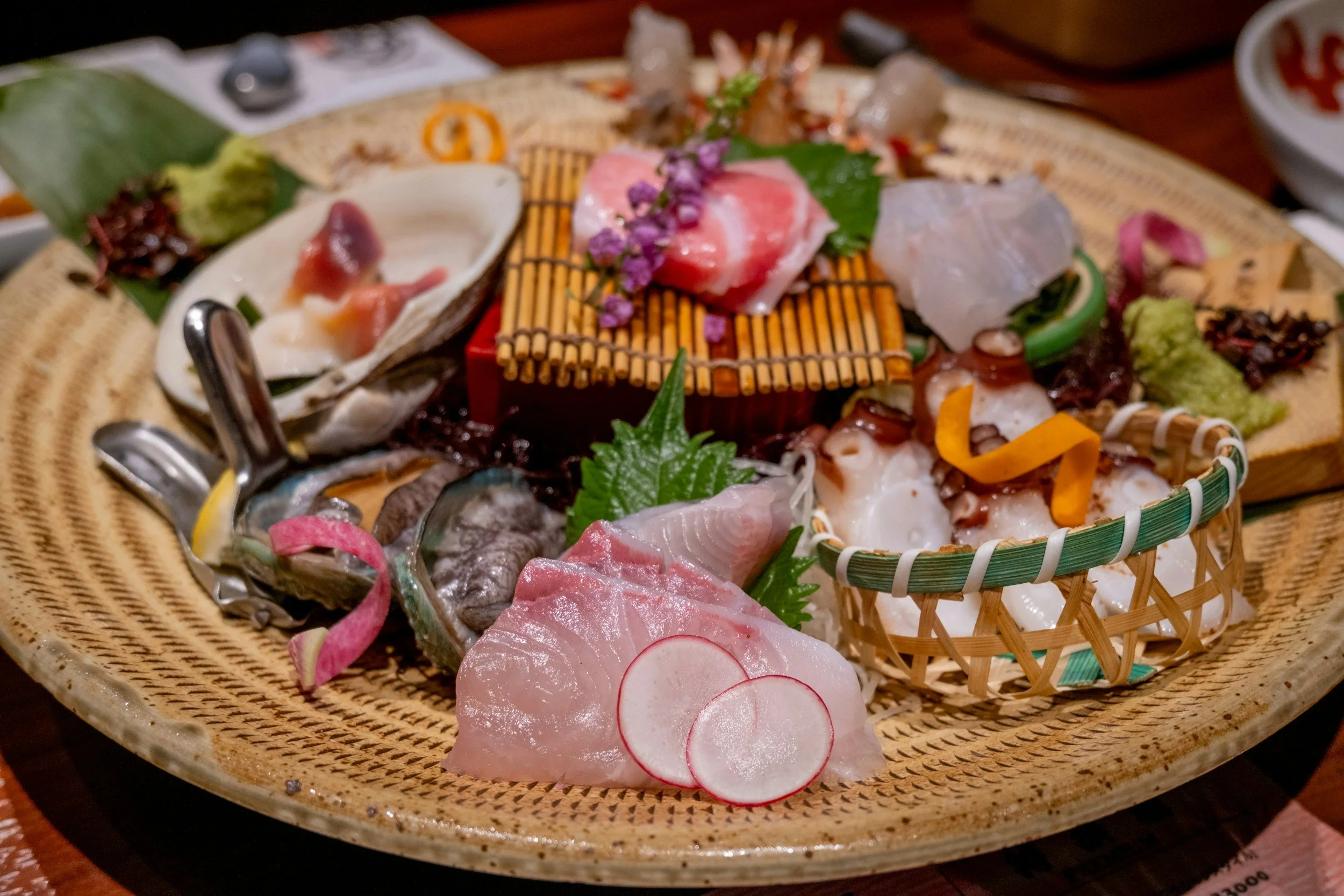
Tonight we’ll stay at Ryōri Ryokan Fujimien, a Japanese inn overlooking the water near Tatara Bridge. Ryōri ryokan means the cooking is part of the experience, and dinner is one of the reasons I chose this stay. We’ll sit down together for a seasonal Japanese meal featuring seafood from the Seto Inland Sea.
Our stay at Fujimien includes a seasonal seafood dinner featuring flavours from the Seto Inland Sea. A dinner upgrade featuring Japanese spiny lobster may be available at an additional cost. If Fujimien can offer it for our group, I’ll share the details and price before our stay.
Meals: Breakfast, Lunch and Dinner
Example of Hotel: Ryōri Ryokan Fujimien, a Japanese inn on Ōmishima Island.
-
Day 11 · 120 Kilometres finished & Onward to Hiroshima
We’ll leave Ōmishima for one last morning of island riding. There’ll be a few more bridges to cross and time to stop for photos before we roll into Imabari. By the time we get there, we’ll have ridden 120 kilometres together over three days. We’ll take a moment to celebrate and get one last group photo with our bikes before we hand them back.
From Imabari, we’ll continue by bus to Hiroshima, where we’ll settle into our hotel and meet for dinner. We’ll have plenty of time to look back on the ride and compare notes on which island we’d go back to first.
Meals: Breakfast, Lunch and Dinner
Example of Hotel: ANA Crowne Plaza by IHG while in Hiroshima
Hiroshima — Our Farewell
-
Day 12 · Hiroshima’s History, One Last Food Experience & Our Farewell Dinner
We’ll spend the morning with a local guide at Hiroshima Peace Memorial Park and Museum. Beside the Motoyasu River, we’ll see the Atomic Bomb Dome, the remains of an exhibition hall that stood almost directly beneath the blast on August 6, 1945. Inside the museum, photographs and personal belongings bring us closer to the lives of the people who were there. Our guide will help us understand what happened that morning, how Hiroshima rebuilt, and why the city chose to preserve the Dome.
For lunch, we’re planning one last hands-on experience together: making our own Hiroshima-style okonomiyaki. We’ll build it right on the hot griddle, layering thin batter, cabbage, noodles and egg. Then comes the fun part: getting the spatulas underneath and seeing whether we can flip it in one piece. We’ll finish with a brush of sweet-savoury sauce and sit down to eat what we’ve made.
The rest of the afternoon is yours. Browse Hondōri for last-minute gifts, take a quiet walk around the pond at Shukkeien Garden, or visit the Hiroshima Prefectural Art Museum next door.
That evening, we’ll meet for a relaxed farewell dinner. Everyone can order what sounds good, and we’ll have one more evening around the table to share our favourite moments from Japan.
Meals: Breakfast, lunch and farewell dinner
-
Day 13 · Until We Meet Again
After breakfast in Hiroshima, I’ll be there to help you get on your way, whether you’re heading to Narita Airport or continuing your travels in Japan.
We have so much to look forward to on this trip, and I’m betting some of the things we’ll still be talking about on our last morning are the ones we never put on the itinerary. A drink from a vending machine we couldn’t quite identify, a tiny shrine tucked between buildings, or the care someone takes to wrap a small purchase. I think we’ll spend a good bit of our time saying, “Come look at this,” and laughing over what we’ve just discovered.
In the Japanese tea tradition, there’s a saying, ichi-go ichi-e (一期一会). Even if we meet again, we’ll only have this particular time together once. As we go our separate ways, I hope you take a few of those little moments with you. Thank you for coming to Japan with me.
Meals: Breakfast
-
A Little Room to Explore
I’ve planned this trip around experiences I’m excited to share with you, from the festivals in Tokyo and Kyoto to the island rides and our time in Hiroshima. With just six guests, we’ll also have room for the things each of you is curious about.
I’ve kept a couple of lunch breaks flexible, and Tokyo is a perfect example of why. One of you might want to try a maid café in Akihabara (pictures of maids below), another might have a cat café on her list, and someone else might head straight for the luxury shops in Ginza. I love that the same afternoon in Tokyo can look so different for each of us. When the timing works, I’ll help you find your way, and we’ll meet up again for the next part of the day.
Rain, local conditions or ticket availability may shift the timing or order of a few activities. If that happens, I’ll keep you in the loop and adjust our plans.
If there’s something in Japan you’d especially love to see or try, tell me before we go. I’ll see where we can make room for it alongside the experiences I’ve planned for us.
With just six guests, we can give the places we came to see the time they deserve and linger a little longer when something surprises us
Trip Cost
-
-
If you’d prefer a room to yourself, please contact me to check availability and pricing.
-
Booking Details
Registration and deposit. Once you submit your registration, I’ll check availability, usually within 48 hours. If there’s space, I’ll send you instructions for paying your $500 CAD deposit.
Deposit refund. Your deposit is fully refundable for 48 hours after booking. I’ll also refund it in full if I’m unable to confirm by January 15, 2027 that the trip is going ahead.
Second payment. A further $5,000 CAD is due January 15, 2027, bringing your total paid to $5,500 CAD.
Final payment. Your remaining balance is due April 1, 2027. For the shared-room option, that balance is $3,995 CAD.
Travel insurance is required.